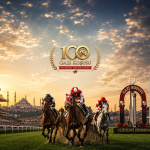
The 100th Gazi Koşusu was more than a horse race—it was a celebration of history, tradition, and Türkiye’s enduring equestrian heritage.
This year, I had the privilege of attending the 100th running of the Gazi Koşusu, Türkiye’s most prestigious horse race. As a photographer and storyteller, I wasn’t only looking for the winner. I was looking for the story behind the event—the details that make this race much more than a few minutes on the track.
The experience began the moment I walked through the entrance.
A Century of History Begins at the Entrance
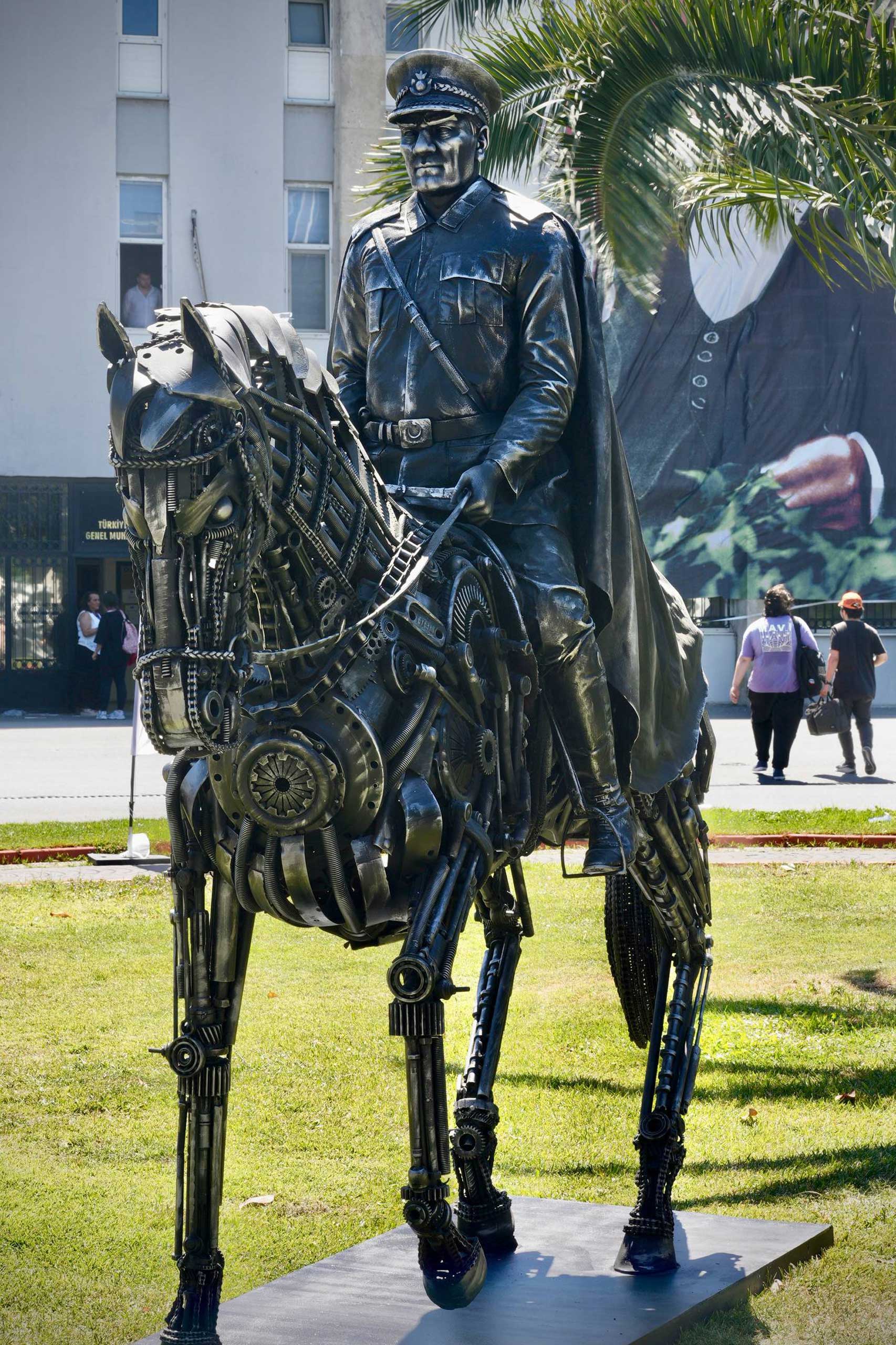
The statues of Mustafa Kemal Atatürk immediately reminded me that this race was founded with a purpose far greater than sport. It represents a vision of investing in horses, breeding, and future generations, while preserving a tradition that has now lived for a full century.
A little further inside, I found something that quietly captured the spirit of the event.
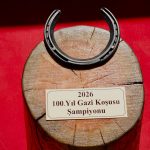
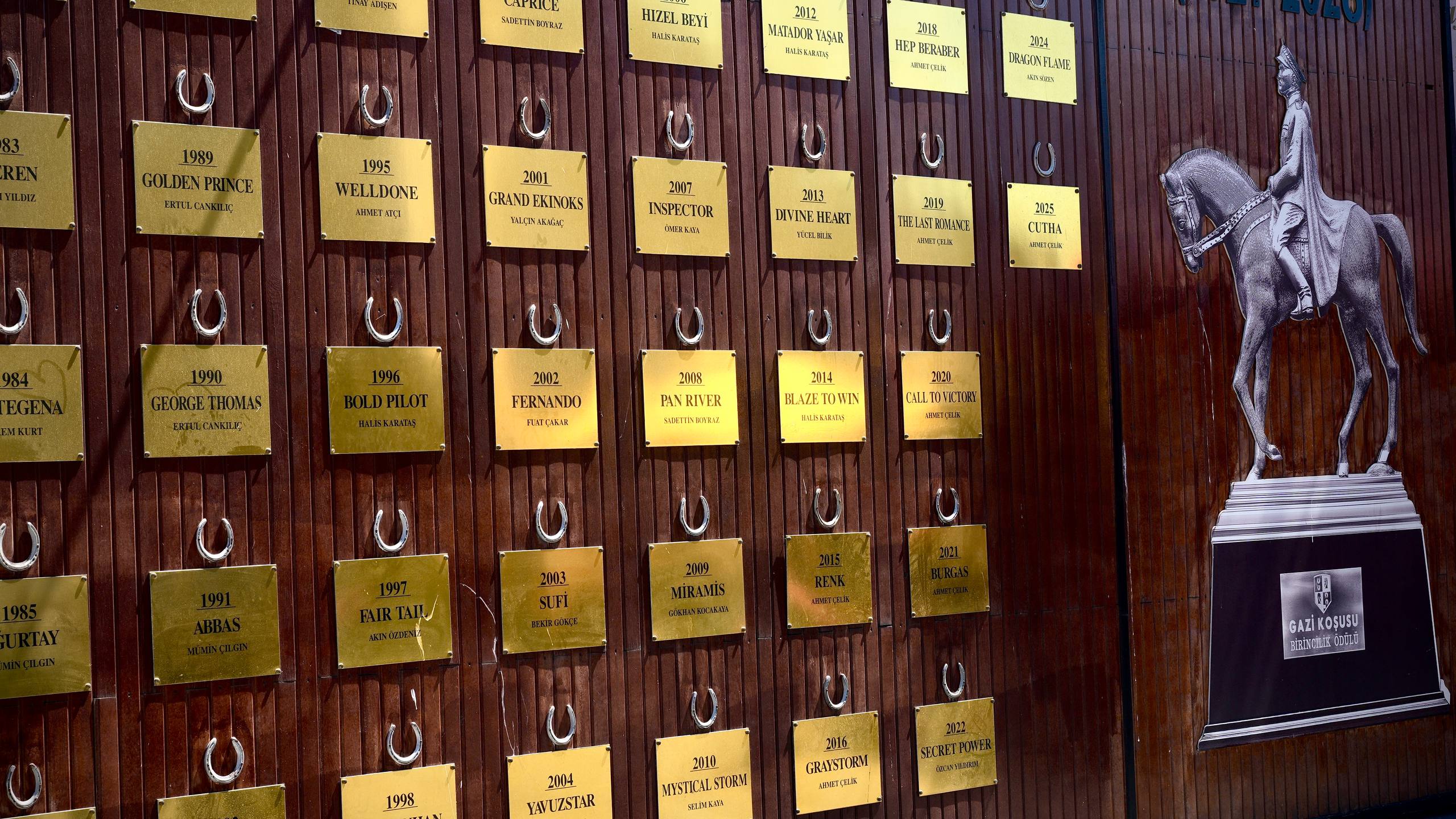
Along the walkway were horseshoes engraved with the names of every champion. Nearby stood the Wall of Honor, carrying the names of the winners from the previous 99 editions. It wasn’t just a historical display—it was a reminder that winning the Gazi Koşusu means becoming part of history forever.
Before the Gates Opened
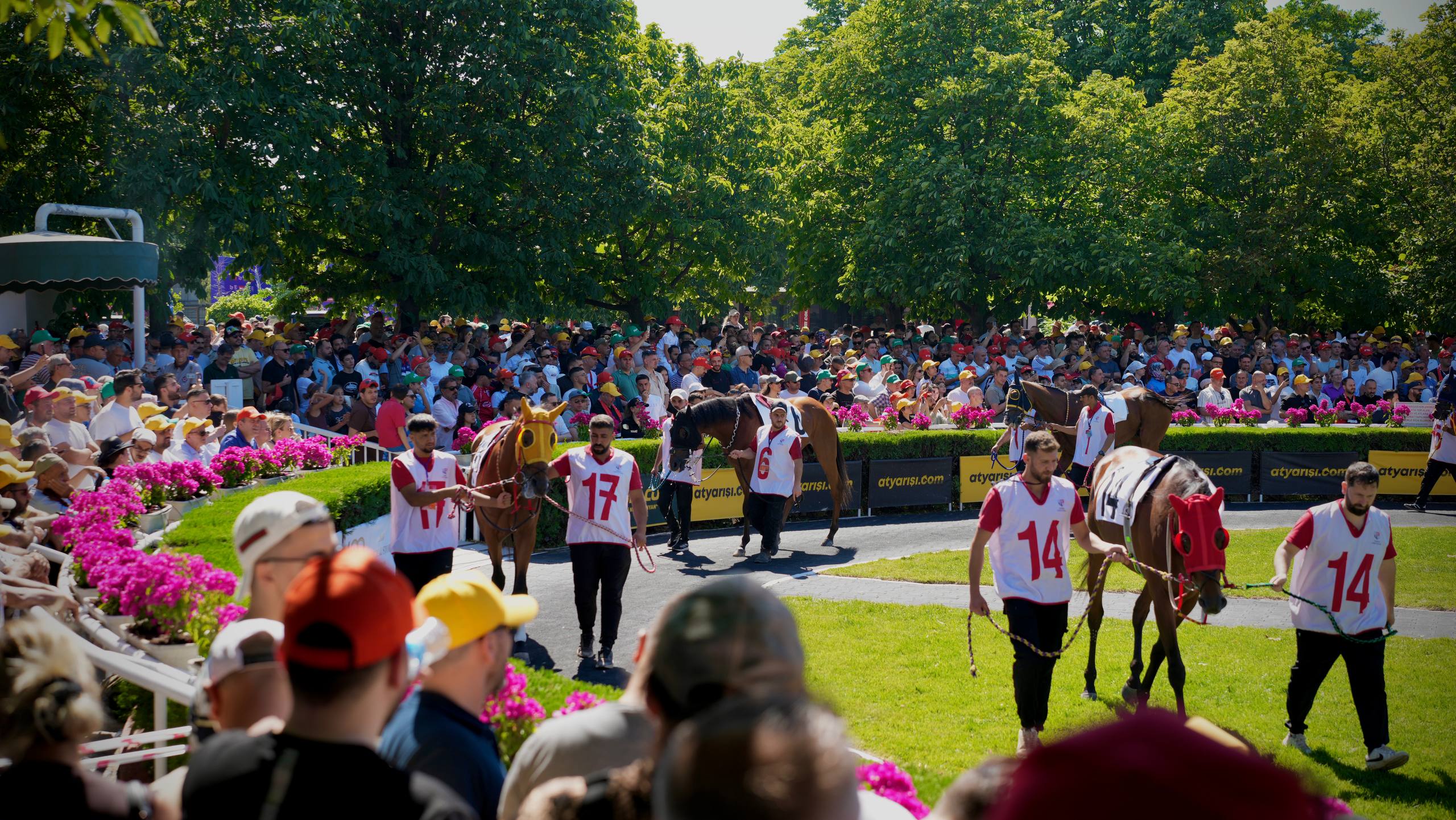
Long before the starting gates opened, the excitement had already begun.
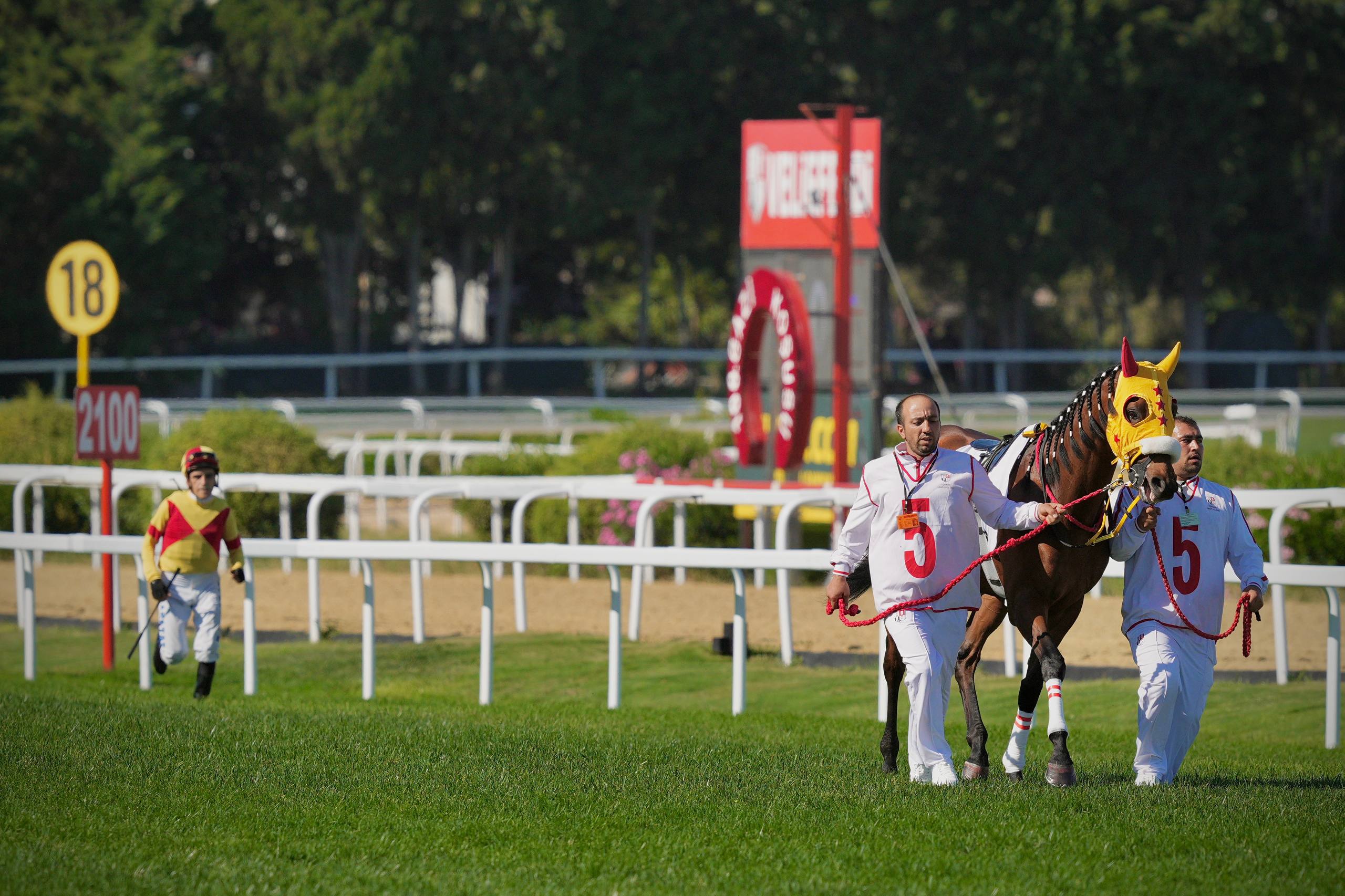
The parade ring and warm-up area were surrounded by thousands of spectators. Some carefully watched each horse’s movement, others studied its temperament, while many tried to make their final betting decisions just moments before the race. It was fascinating to see how much attention people paid to every small detail. Here, horse racing isn’t simply watched—it is experienced.
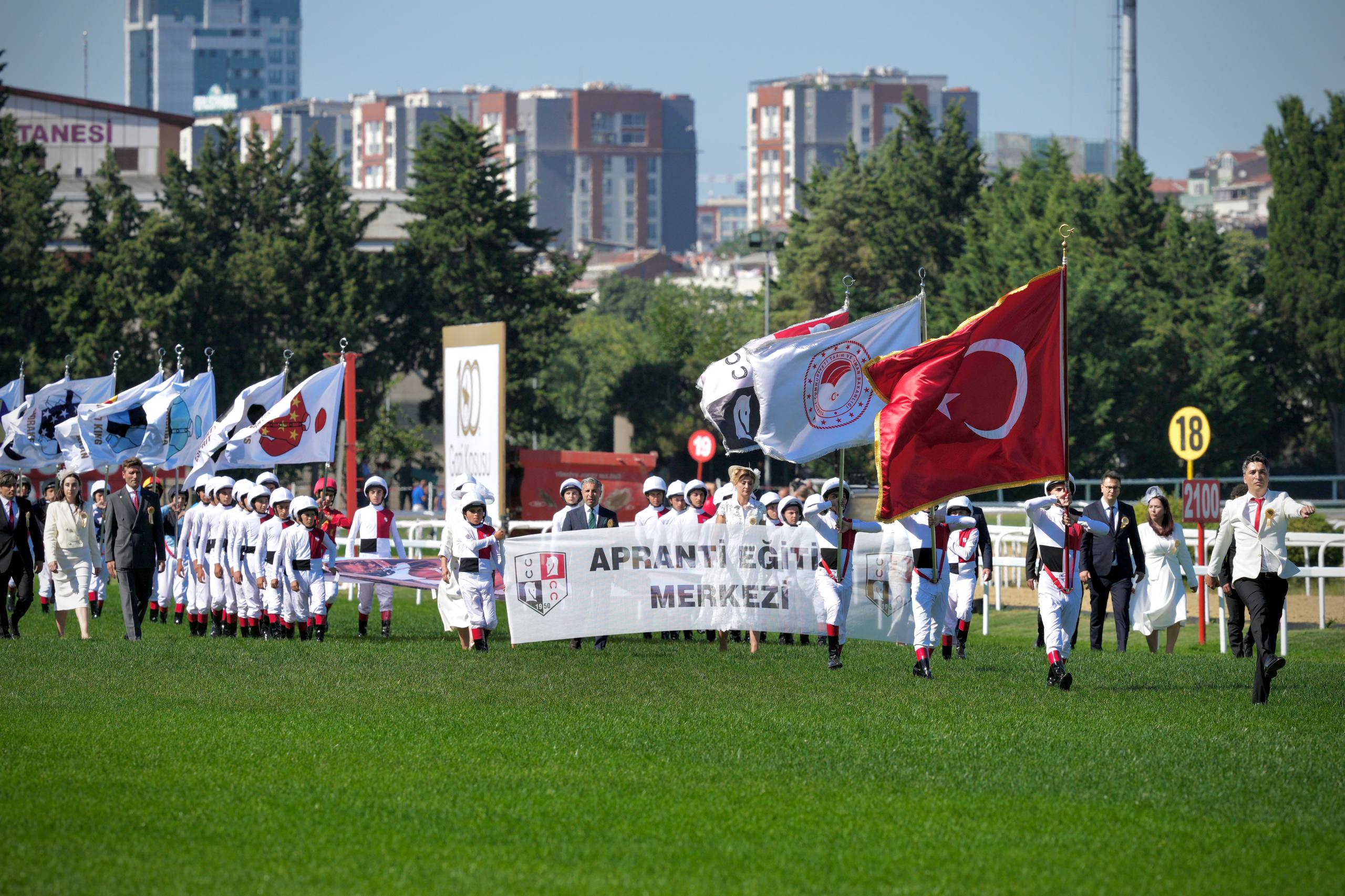
One of the moments that stayed with me the most was seeing children dressed as jockeys during the opening ceremony.
They represented far more than a performance. To me, they symbolized the future of Turkish racing—the next generation that will inherit and continue the legacy built over the last hundred years.
Behind Every Thoroughbred
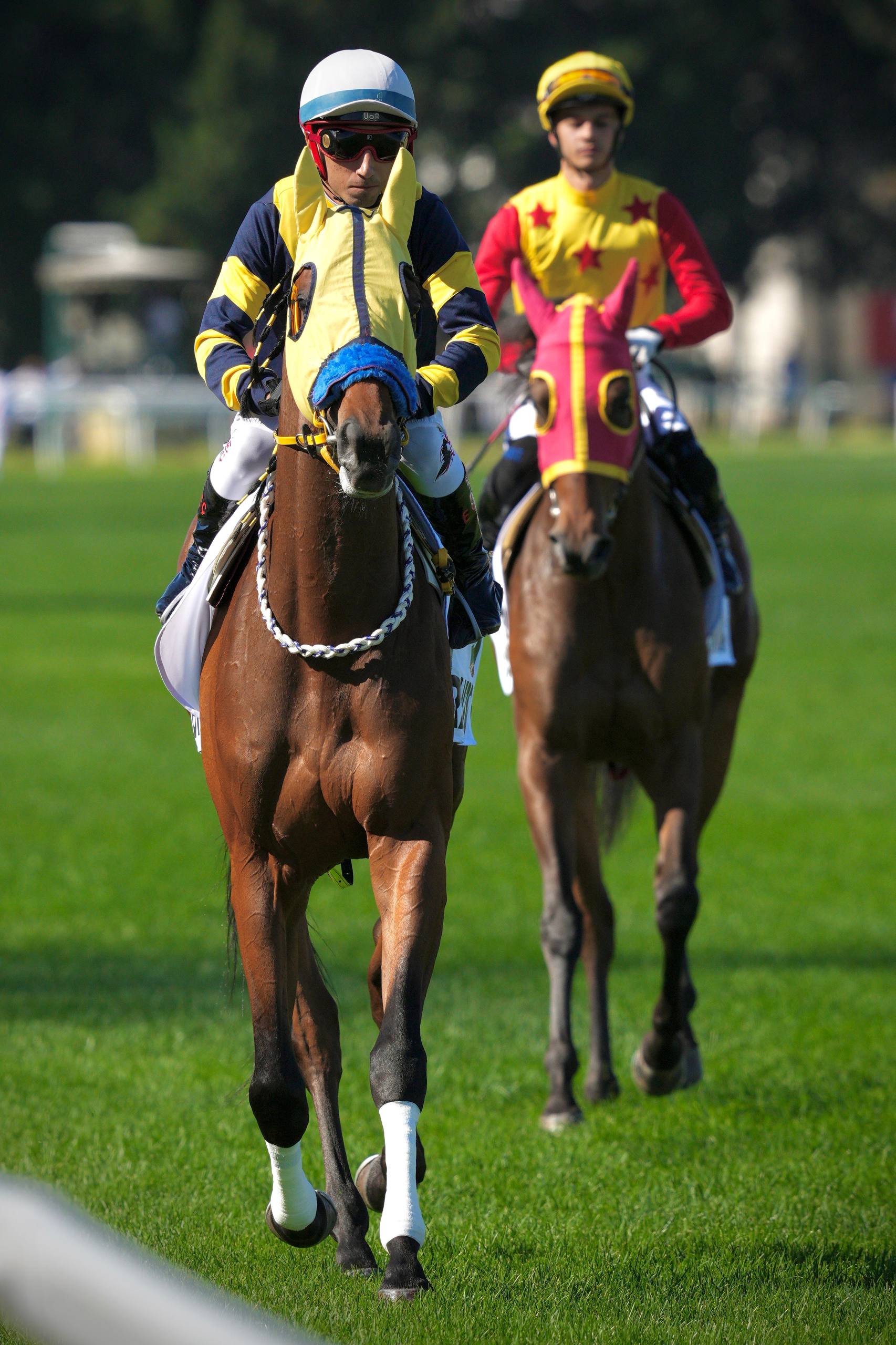
Walking through the stable areas, I couldn’t help but admire the quality of the three-year-old Thoroughbreds competing in this historic race. Every horse standing there was the result of years of careful breeding, planning, patience, and dedication. Behind each runner stood an entire team of breeders, trainers, veterinarians, farriers, grooms, owners, and countless people whose names may never appear on the trophy, but whose work made that moment possible.
The atmosphere extended well beyond the racetrack.
Families, racing enthusiasts, photographers, and visitors filled every corner of the venue. Elegant ladies wearing beautiful racing hats added another layer of tradition and sophistication, giving the day an atmosphere reminiscent of some of the world’s great racing festivals. It felt less like a sporting event and more like a celebration of equestrian culture.
The Moment History Was Made
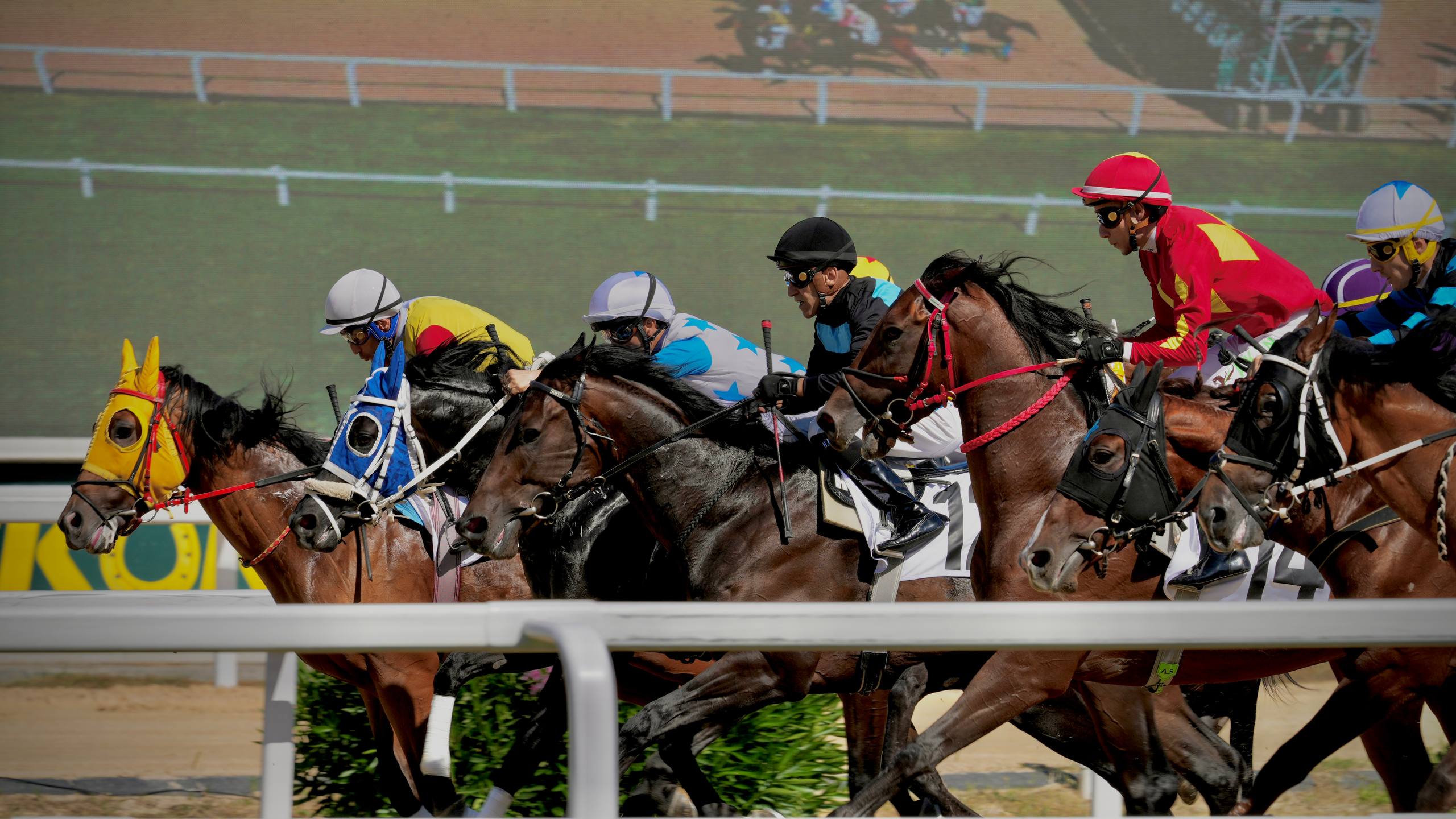
And then came the race itself.
When the winner crossed the finish line, the emotions were impossible to miss. The joy on the owner’s face, the celebration of the entire team, and the applause from the crowd reflected something much deeper than winning a race. They had just secured their place in a century of history.
Yet what impressed me most wasn’t only the competition.
It was the organization.

The professionalism behind every detail—from crowd management and media operations to the condition of the track and the seamless coordination of hundreds of people—showed that events like this are not built overnight. They are shaped by decades of consistency, respect, and commitment.
A Living Story That Continues
For me, the Gazi Koşusu wasn’t simply about discovering who was the fastest horse.
It was about understanding how a country preserves its traditions, celebrates excellence, and passes its passion from one generation to the next.
When a sporting event reaches its 100th edition and still fills the grandstands with excitement, you realize it has become something much greater than a race.
It has become a living story.
— Hakan Kaya