The Breath That Trembles
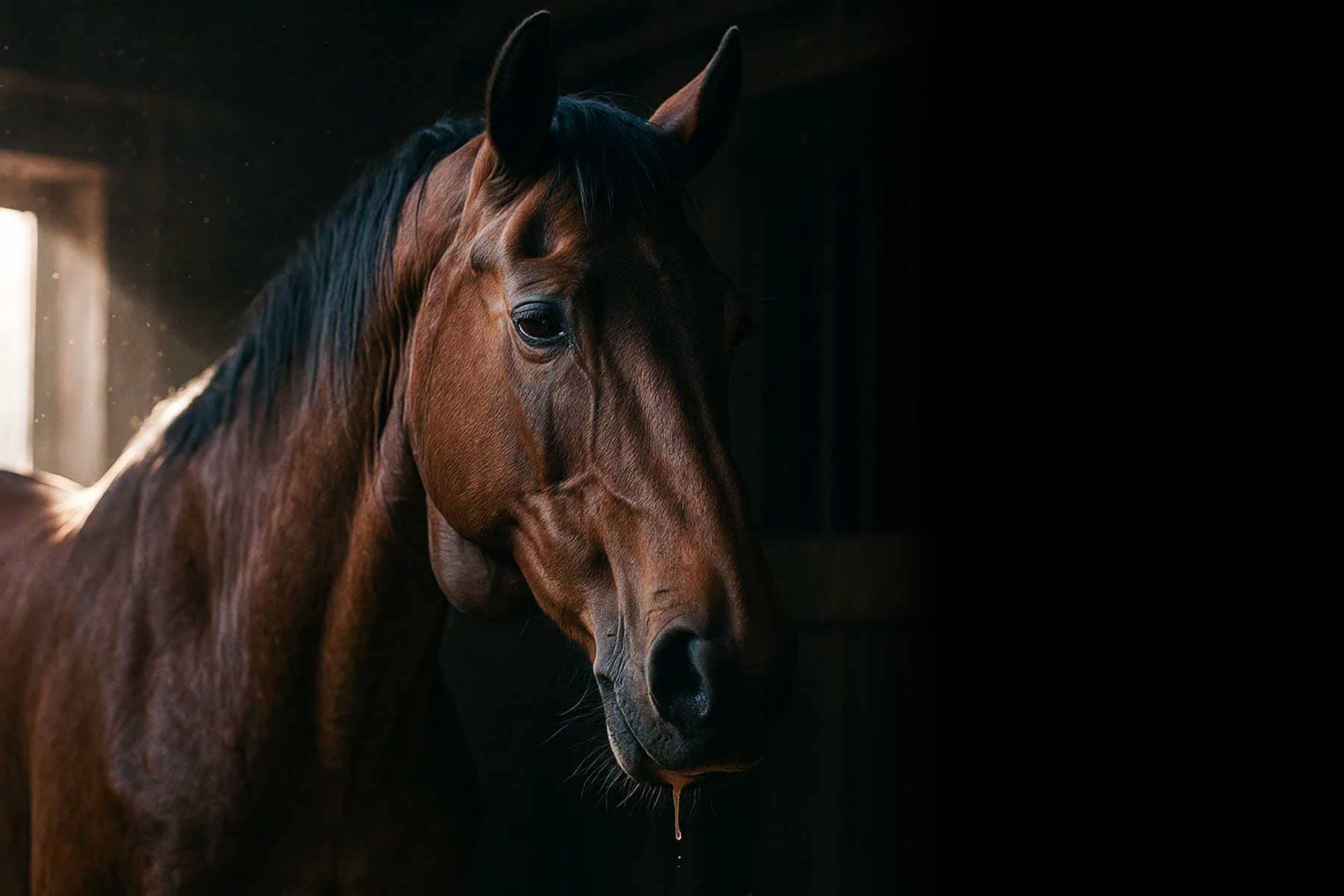
When a horse’s breath becomes shallow, the stable goes silent. You hear a rasp, a cough echoing against the wood, and your heart tightens. Horses live through their breath; it’s the sound of freedom, the music of the stride. But sometimes, that music falters. Among the most unsettling moments of equine care is facing Gourme, a respiratory Infection that is known to riders across generations.
This Equine Story, curated by Hakan Kaya, is not about illness alone; it’s about listening to what a horse’s body whispers when it’s asking for help.
What Is “Gourme”?
Gourme, often called Strangles in English, is a contagious bacterial disease caused by Streptococcus equi. It attacks the upper respiratory tract and the lymph nodes around the jaw and throat. Within a week, the breathing passages narrow, and every inhale becomes an effort. Swelling appears beneath the jawline, sometimes forming abscesses that may rupture. It’s an uncomfortable sight: the horse’s throat thickened, the nostrils damp, and a soft wheeze replacing that confident blow of air. But behind that struggle is a miracle called resilience.
How It Spreads
Stress, crowded stables, and poor hygiene make invisible doors for this infection. The bacteria spread through nasal discharge, contaminated water, or shared equipment. A single sneeze from one horse can quietly reach another across the paddock fence.
In close herds, once the first cough begins, caretakers must think like guardians, isolating, disinfecting, and protecting. Horses teach us unity, but they also remind us: care is an act of distance when health demands it.
Signs to Watch For
Early symptoms are gentle at first: a bit of fever, a drip from the nose, a small refusal to eat. Then the changes deepen:
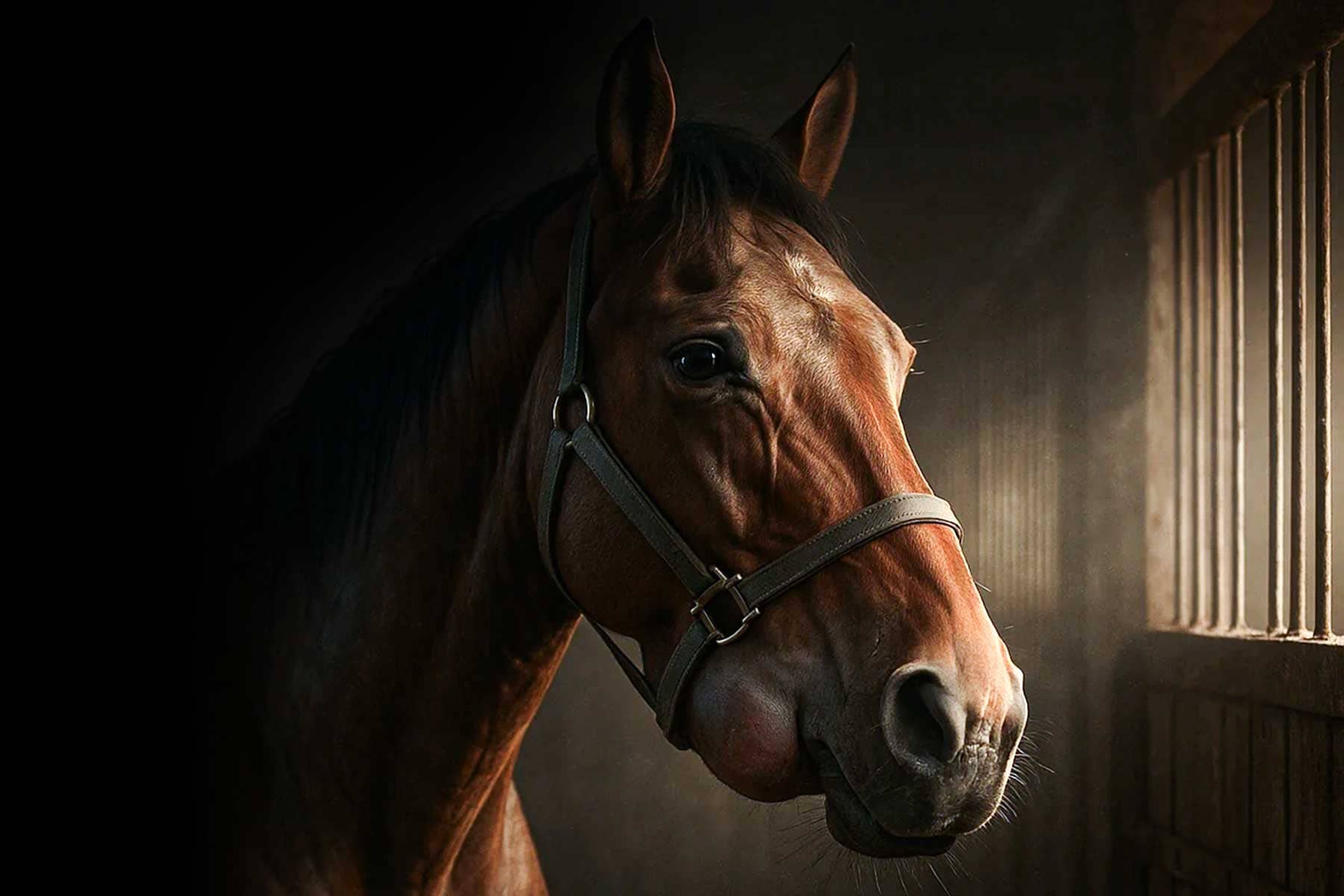
swollen glands under the throat, pain when swallowing, and heavy breathing after minimal movement. Touch your horse’s jaw; feel that warmth. It’s the same place you rest your hand before bridle work, a space of trust.
When that area aches, your horse is asking silently for patience.
The Healing Path
Recovery begins where calm begins. Horses with Gourme need:
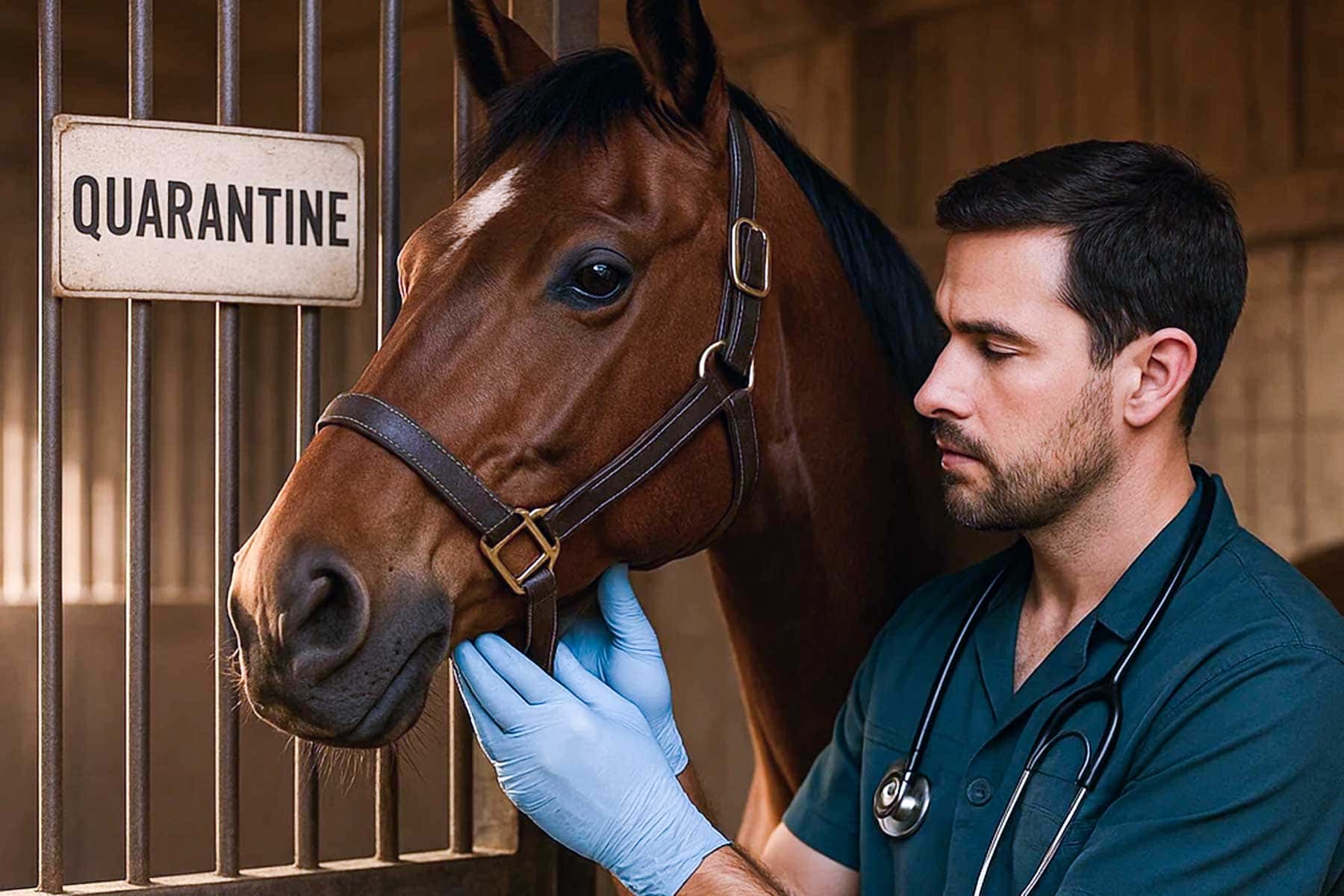
- Isolation: a clean, quiet stall far from others.
- Hydration and warmth: fresh water and dry bedding that feel safe, like a cocoon.
- Veterinary care: guided treatment, often involving antibiotics and careful drainage of abscesses.
- Time: the timeless medicine that rewrites the rhythm of health.
Once breathing returns to normal, light work and gentle turnout help rebuild confidence. The body heals, but trust must be rebuilt too slowly, kindly, and steadily.
Lessons in Compassion
Every illness tests our empathy. In caring for a horse with Gourme, you learn that healing is not just about drugs and dressings; it is about the quiet companionship that never wavers. Standing beside your horse, watching it try to breathe again, you realize how connected you’ve always been; the heartbeat beneath its coat syncs with yours.
As Hakan Kaya often says,
“The lens sees more than the surface, it captures the bond that breathes through suffering.”
The Return of the Breath
One morning, the air shifts. The coughs fade. Your horse takes a deep, effortless breath and looks toward the field. That Simple moment, the inhale of hope is everything.
In Equine Story, we celebrate these recoveries not as endings but as reminders. A horse’s breath is life moving through grace; its struggle brings us closer to understanding resilience, warmth, and love beneath leather and dust.
—
Curated by Hakan Kaya, International Equestrian Photographer, Filmmaker & Storyteller.