The Five Forces of Riding: Where Balance Meets Soul
More Than Technique
Riding isn’t just about controlling a horse, it’s about becoming one with motion. Every stride, every breath, and every heartbeat between rider and horse speaks through five hidden forces that define true horsemanship.
The art lies not in mechanics, but in feeling. In the world of **Equine Story**, these five principles become a cinematic dance, where discipline meets emotion.
1. Balance: The Center of Everything
Balance is the beginning of harmony. Without it, motion turns into struggle, and elegance becomes effort.
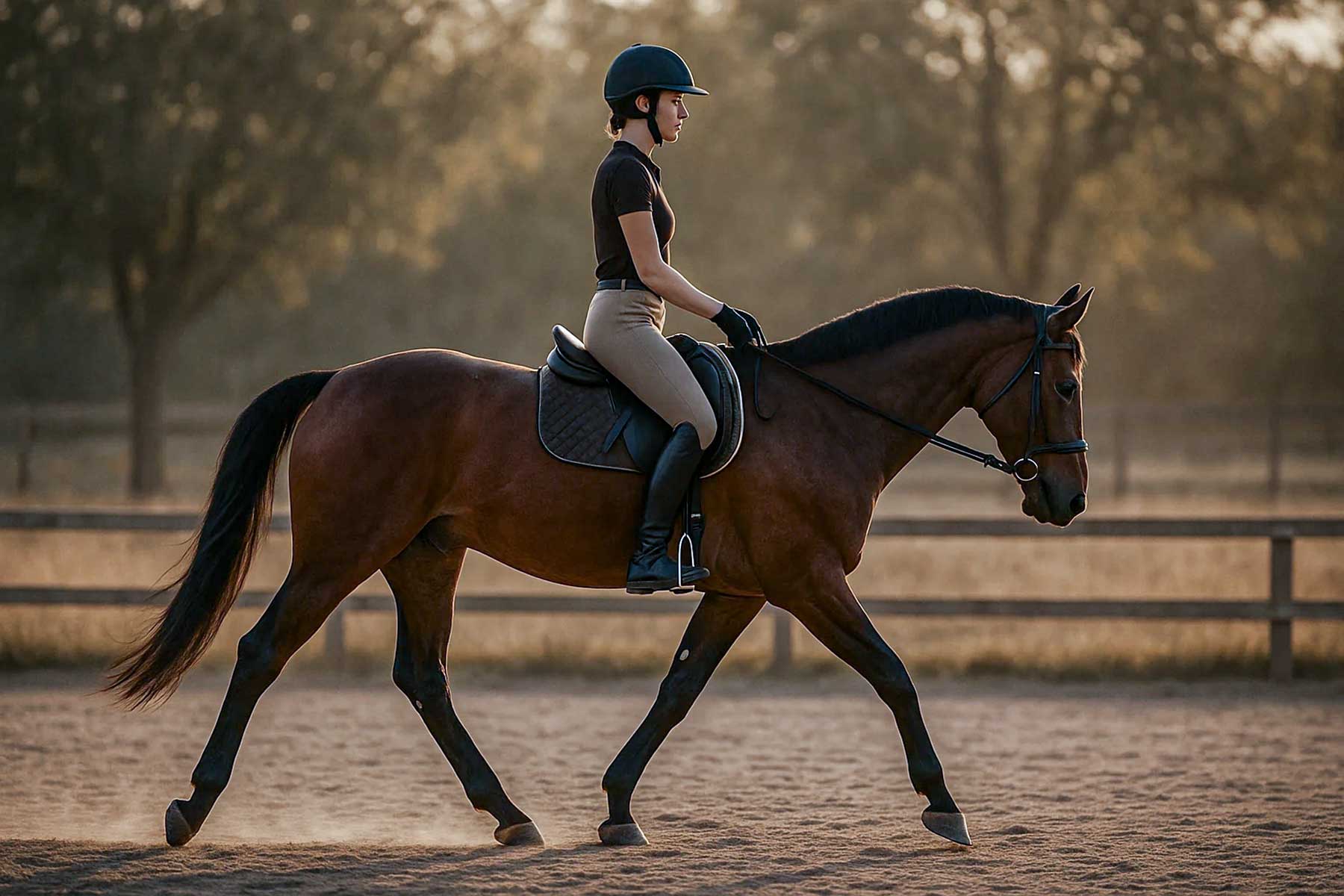
A well-balanced rider doesn’t sit; they flow, becoming part of the horse’s gravity and grace. Balance allows both souls to trust the rhythm they share.
When the horse finds its balance too, movements turn quiet and effortless. It’s in this silence that communication happens without words.
2. Rhythm: The Music of Movement
Every horse has its own song; you can feel it under the saddle. Rhythm gives motion a heartbeat, translating intention into beauty.
When rhythm fades, confusion enters; when rhythm lives, connection deepens.
Riders who follow rhythm aren’t counting beats; they’re listening to the energy beneath them. It’s the music of hooves meeting earth, a melody that only trust can compose.
3. Contact: The Invisible Thread
True contact isn’t just rein pressure, it’s a conversation. Gentle, consistent, and honest.
Through the reins, riders speak; through the horse’s mouth, they listen. The lightest touch can be enough to express calm, direction, or affection.
Contact in **Equine Story** is emotional; it reminds us that control is never domination, but understanding. The line between hand and heart defines how respect flows through movement.
4. Forward Motion: The Language of Life
Without forward motion, no story begins. It symbolizes vitality, courage, and the natural spirit of a horse.
A good rider doesn’t push; they invite the horse forward, letting momentum express freedom rather than obedience.
Whether galloping across a field or moving gently in an arena, forwardness shows confidence, both physical and emotional. Its movement is written with trust.
5. Straightness: The Final Harmony
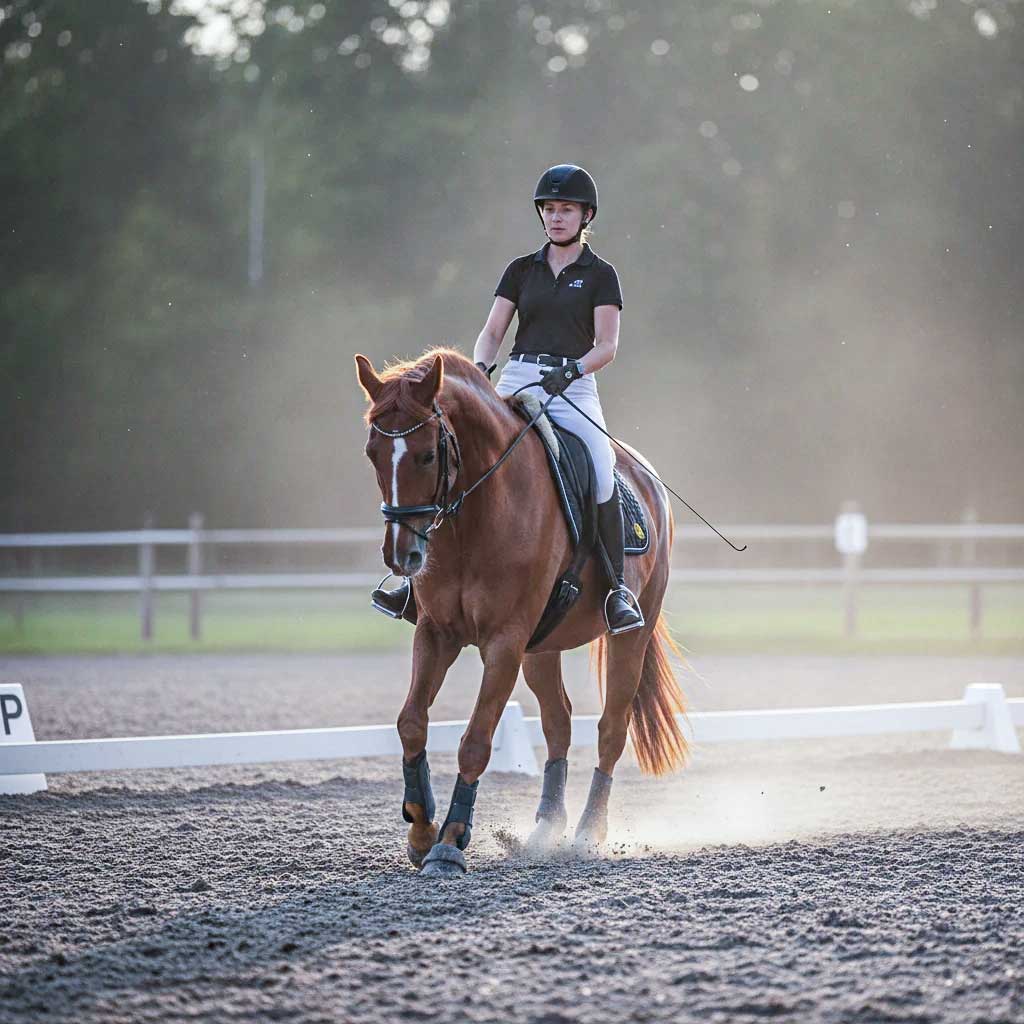
Straightness isn’t about rigidity; it’s about alignment. When both horse and rider move in one direction, power and grace unite.
The body mirrors the soul here: the straighter the motion, the clearer the intention.
Through straightness, every curve, turn, and transition gains strength. It’s where correction turns into clarity, the final layer of balance that completes the picture of connection.
The Interplay of Five Forces
These five elements don’t live separately; they breathe together. Balance gives rhythm purpose; rhythm defines contact; contact guides forwardness; forwardness refines straightness.
Each principle is a thread woven into the art of harmony, both physical and emotional.
A rider who understands these forces doesn’t simply ride; they communicate with a living being through intention, honesty, and awareness.
Closing Thought
Riding is never just about technique; it’s about empathy translated into motion. When you master these five forces, you unlock not control, but connection.
Written by Hakan Kaya for Equine Story, reminding us that true riding begins where feeling meets precision and the soul speaks through movement.