A Quiet Transformation: Understanding Castration in Horses
The Moment of Decision
There comes a time in every stable when one question whispers through the silence: *Should the stallion be castrated?*
It’s not merely a veterinary procedure — it’s a turning point in a horse’s life, transforming wild instinct into peaceful partnership. In the eyes of **Equine Story**, this act isn’t about control; it’s about balance, patience, and safety, both for horse and human.
Castration, when done thoughtfully, shapes not only the body but the spirit. It opens space for calm, learning, and companionship.
Why Castration Is Considered
Stallions are driven by nature’s rhythm — bold, protective, sometimes restless. Their energy suits breeding farms, but can challenge everyday riding or stable life.
Without castration, their focus often splits between instinct and training, making harmony harder to achieve. By gelding, we align health and emotional balance. The horse learns peace instead of impulse, gentleness instead of tension.
This doesn’t mean diminishing his essence — it means freeing him from cycles of distraction and stress.
Health and Safety
From a medical view, castration prevents injuries, reduces aggressive encounters, and controls breeding risks within mixed stables. Veterinarians perform it safely under anesthesia, following strict hygiene and care protocols.
Post-operation, rest and gentle monitoring are crucial. Fresh bedding, clean air, and anti-inflammatory treatment help the horse recover smoothly.
But healing extends beyond the wound. Emotionally, the horse learns stillness. The fiery energy that once surged for dominance gradually turns into steady curiosity.
The Emotional Side of Transformation
Every horse experiences change differently. The once bold eyes soften, the movements slow, and moments of reflection begin to appear.
This quiet shift isn’t loss — it’s evolution. Through patience, caretakers help the gelding rediscover confidence and trust under new emotional light.
Hakan Kaya often describes it as “turning fire into sunlight” — transforming raw vigor into calm brilliance. In cinematic terms, it’s where strength finds elegance.
Life After Castration
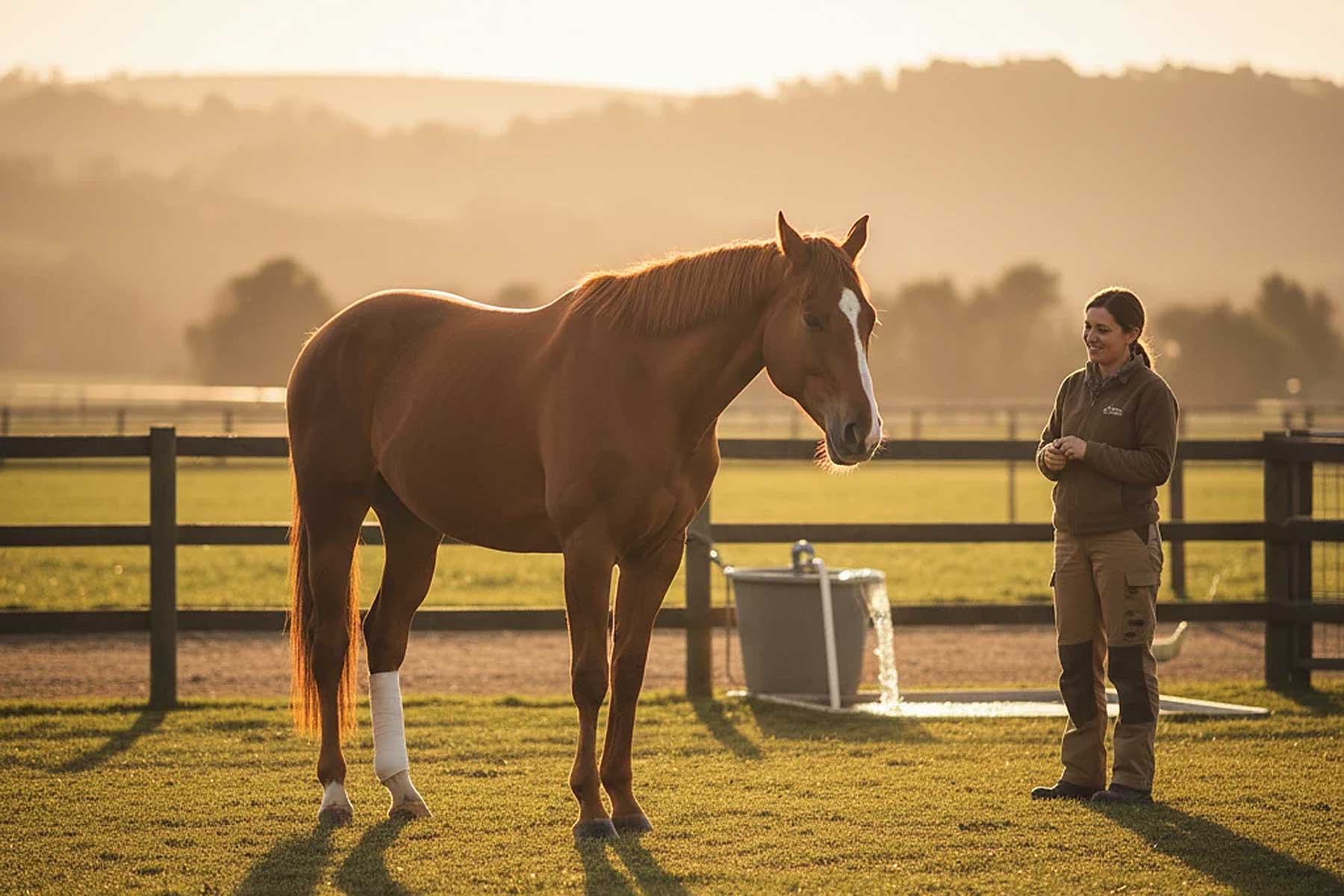
Geldings are often described as the soul of the stable — steady, teachable, serene. They bond faster with humans, form easier herd dynamics, and respond better to guidance.
Riders enjoy predictability and safety; trainers discover focus without tension. With proper nutrition, cleanliness, and turnout, a gelding’s body thrives and its mind blooms.
Most of all, he begins to breathe — not for survival or dominance, but for connection.
The Ethics Behind the Act
Castration should never be a careless routine. It’s a decision made from respect, necessity, and love for equine welfare.
It requires understanding each horse’s temperament, purpose, and living environment. In responsible breeding and care, balance always outweighs ambition.
Through responsible practices, caretakers become storytellers of peace — preserving beauty in control and compassion in discipline.
Closing Thought
Castration, when guided by care, wisdom, and emotional understanding, is not the end of energy but the beginning of harmony.
Written by Hakan Kaya for Equine Story, reminding us that every horse’s transformation holds the quiet poetry of strength becoming peace.