The Silent Language: How Horses Speak Without Words
Listening Beyond Words
Before we ever speak to our horses, they have already spoken to us. Their stories appear not through sound but through movement, a shift in weight, a turn of the eye, a quiet breath that carries meaning.
Every horse communicates constantly, whispering through body, rhythm, and presence. The challenge is not teaching them our language, but learning theirs.
Under the lens of **Equine Story**, this communication becomes cinematic, the subtle choreography between horse and human, where silence becomes the most truthful conversation.
The Eyes That Feel
Look closely into a horse’s eyes and you will see emotion in its clearest form. Calm eyes reflect peace and connection; restless, darting eyes reveal uncertainty or stress.
Horses never lie, their gaze shows their soul. A sensitive rider understands this and adjusts tone, posture, and approach, allowing the dialogue to remain pure.
Through those eyes, trust is spoken before contact even begins.
The Ears That Listen to Emotion
Ears are the antennas of emotion. When pointed forward, curiosity awakens; when turned back, discomfort brews. The slightest flick or twitch is a sentence in horse grammar.
Learning to read the ears means learning the heart. They translate intention into physical signals, allowing harmony, or warning, long before words fail.
Body Movements: The Real Language
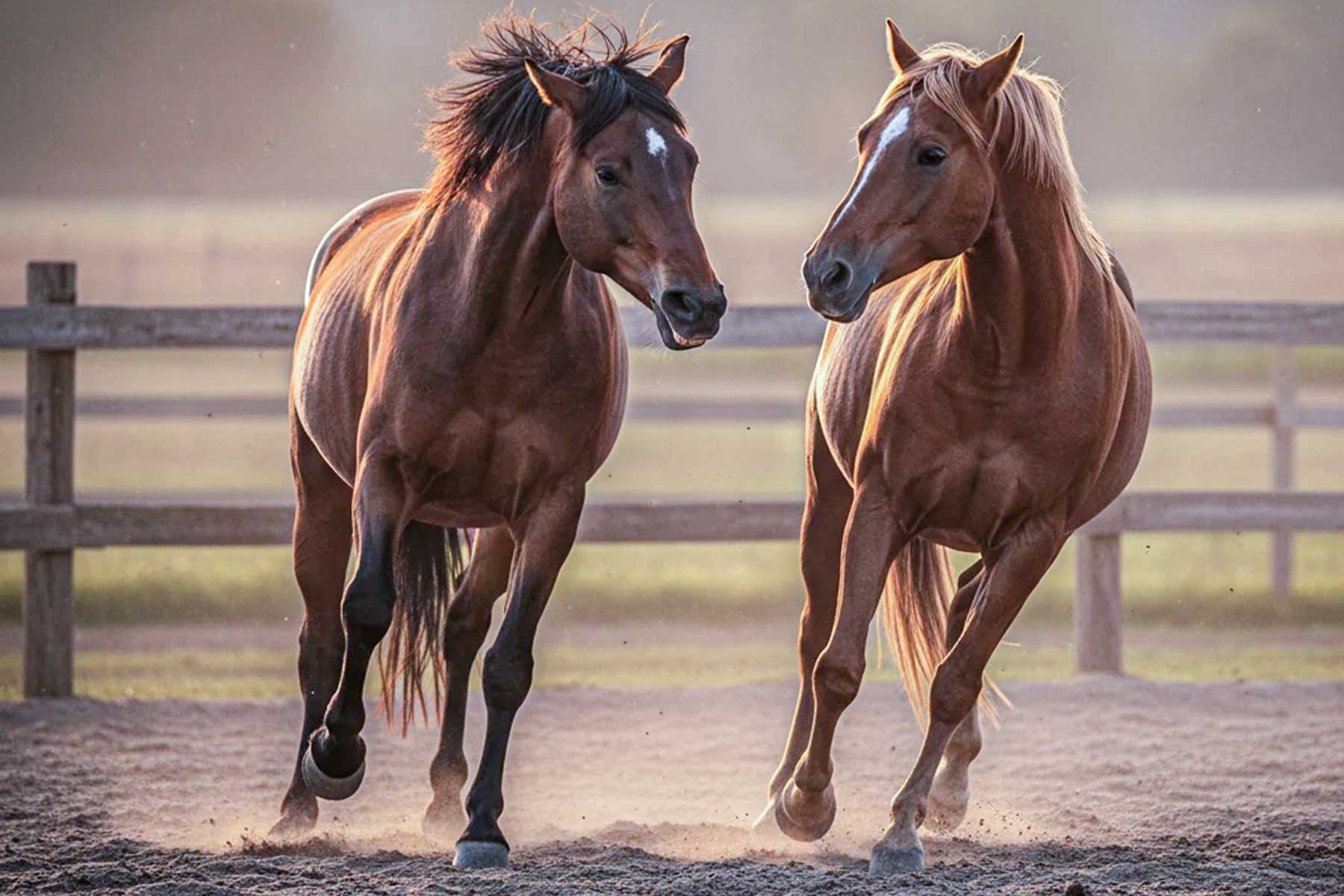
Every step, stretch, and tail flick carries a message.
When a horse arches its neck peacefully or shifts its stance toward its rider, it is opening a door to connection. When muscles tighten, when the tail swishes sharply, it’s expressing resistance, not rebellion.
To ride is to read, to interpret movement as speech.
Hakan Kaya often says, “The best riders are the best listeners, not to voice, but to body.”
Breathing and Energy
Even breath communicates.
Horses mirror the emotional rhythm of those around them. A tense human brings unease; a calm presence invites trust. It’s not mystical, it’s biological and emotional combined, a shared energy field of intention.
Breathing slowly while approaching or grooming a horse can dissolve fear, bridge distance, and build understanding. Through breath, we synchronize not minds, but hearts.
Connection Through Silence
The beauty of equine communication is its silence.
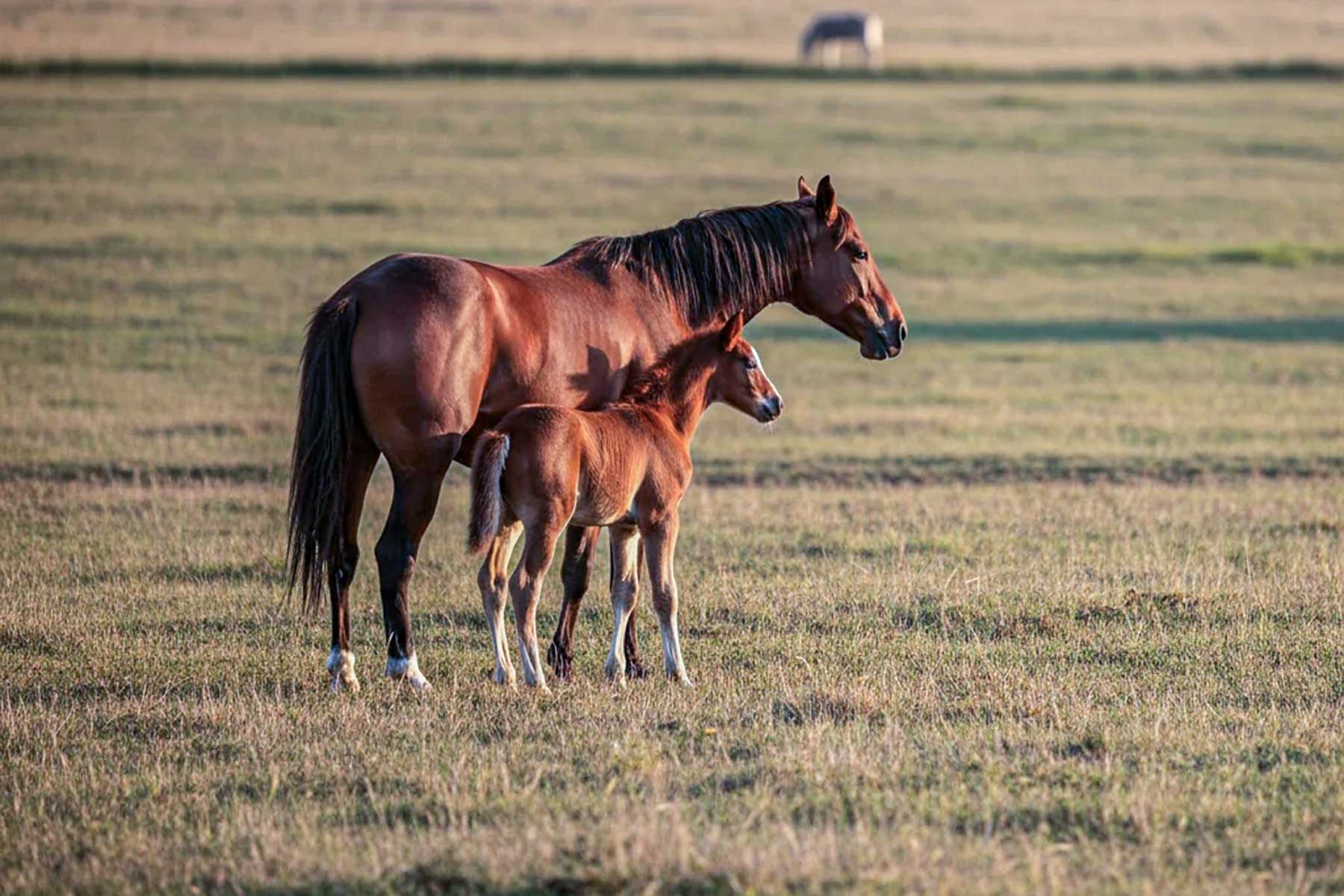
No words, no translation, only awareness. The more quietly you stand beside a horse, the more it reveals itself. Legs soften, ears relax, breathing slows. That’s not a coincidence; it’s reciprocity.
In those moments, rider and horse stop being two separate beings. They share the same awareness, the same language of trust and emotion.
A Universal Dialogue
This language belongs to every horse, across breed and culture.
Arabians express it with elegance; warmbloods, with strength; ponies, with charm. It is universal, and those who recognise it become fluent in empathy, the one essential skill of horsemanship that cannot be taught in books or arenas.
Closing Thought
The language of horses reminds us that communication starts in silence. It’s not about control, but understanding.
Written by Hakan Kaya for Equine Story, inviting every rider to listen to what a horse truly says when it says nothing at all