Beyond Names and Numbers: The Art of Classifying Horses
The Soul Behind the System
To classify a horse is not merely to name it, it’s to understand its soul, lineage, and individuality.
Every equine carries a code written in its body: the shape of its head, the color of its coat, the rhythm of its step. Together, these traits tell a story of origin and character that cannot be simplified into lists or categories.
In the world of **Equine Story**, classification isn’t about division but recognition, seeing what makes each horse unique in beauty, purpose, and heart.
A Journey Through Heritage
Centuries ago, people began identifying horses by regions, deserts, mountains, plains.
Out of these environments came legends: the fiery **Arabian**, the elegant **Thoroughbred**, the powerful **Hanoverian**, and countless others distinguished by endurance, temperament, and grace.
Each breed is a reflection of the land and love that shaped it. Arabs bred for speed and loyalty under the sands. Europeans pursued strength and precision for riding and war. Every hoofprint carried history forward.
Classification became more than science, a living archive of emotion and geography.
Physical Traits That Speak
When we look at a horse, classification begins with visual poetry.
**Conformation**, the way muscles and bones align, gives the first clues. A slender frame whispers agility; a broad chest sings of power.
**Color** extends the story. Bays, greys, chestnuts, and blacks are the canvas for generations of genetics and adaptation.
But no two horses share the same markings, the blazes and stockings on their faces and legs are personal signatures, like fingerprints. In the eyes of the observer lies recognition of individuality beyond taxonomy.

The Science Meets Emotion
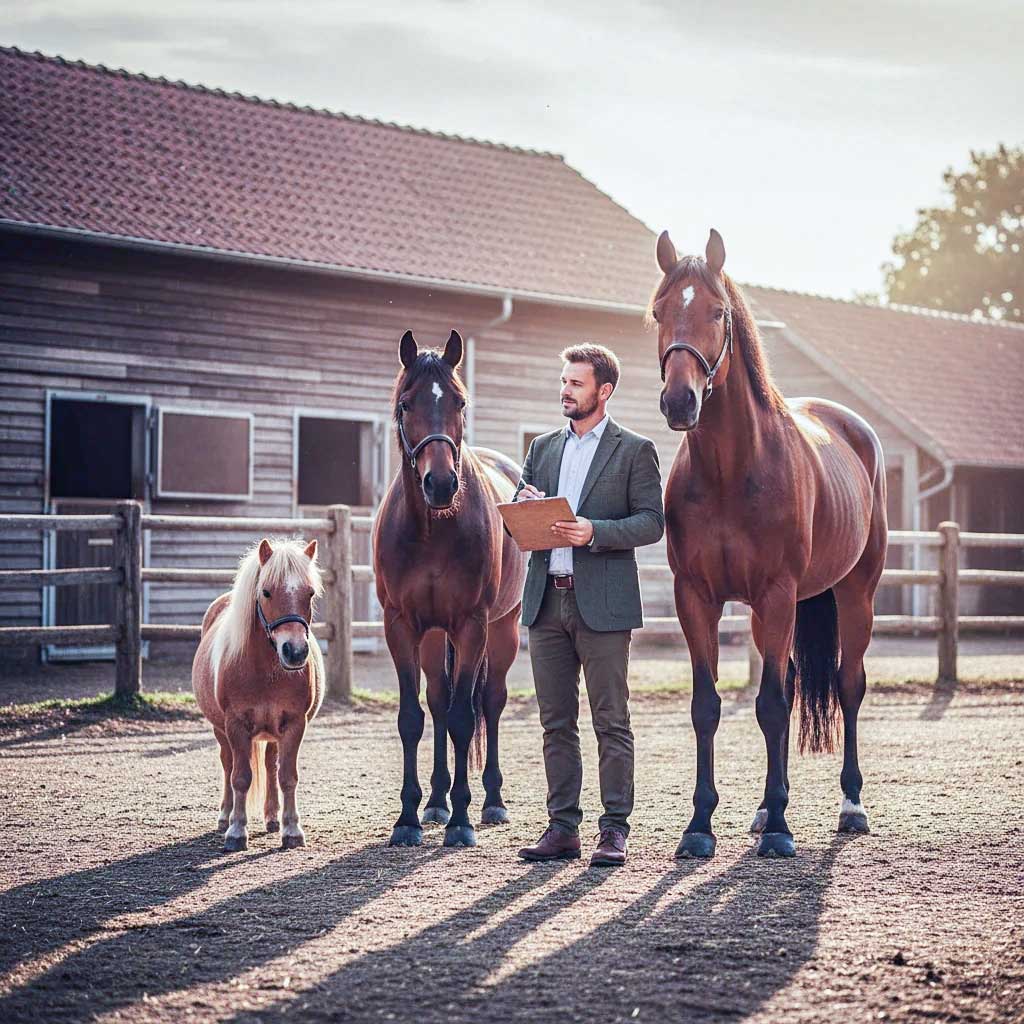
In modern times, DNA studies and registration systems have refined classification. Papers record ancestry, marking diagrams identify uniqueness, and microchips secure official identity.
Yet even technology cannot replace connection.
When a rider looks at their horse, identification happens through feeling, not data. They know the horse’s silence, its habits, the way it breathes in a windy field.
That recognition can’t be written, it’s lived.
Breeds Within Purpose
Every classification links back to function:
- Riding Horses: balanced, responsive, built for partnership.
- Draft Horses: muscular, patient, carrying power in quiet dignity.
- Ponies: small in size, vast in personality and determination.
Through these groups, we celebrate diversity, not hierarchy. Whether a stallion bred for royal arenas or a pony raised in a humble stable, each holds a place defined by heart as much as heritage.
The Cinematic Perspective
As **Hakan Kaya** captures in his photography, horses are more than visuals of breeds; they are portraits of emotion.
A shimmering bay Thoroughbred galloping under morning light tells one kind of story. A calm Icelandic horse standing beneath snowflakes tells another.
Classifying horses, then, becomes a language, a way to preserve their essence for generations to understand, not merely record.
Closing Thought
To know a horse is to read both its lineage and its silence. Classification gives us structure; connection gives us meaning.
Written by Hakan Kaya for Equine Story, reminding us that the true art of identification begins where understanding meets emotion, and every horse becomes a chapter of living history.