When Sensitivity Speaks: Understanding Allergies in Horses
The Silent Language of Reaction
A horse’s body never hides its emotions. When something isn’t right, pollen in the air, dust in the bedding, or changes in feed, the body responds.
Sometimes through a sneeze, sometimes with a scratch against the wooden wall, and other times through restless eyes that seem to ask for comfort.
In the world of Equine Story, these reactions aren’t just medical signs; they’re poetry of sensitivity. Every cough, every patch of irritation, has a reason and a rhythm, echoing nature’s balance between resilience and vulnerability.
Signs That Whisper of Discomfort
Allergic horses often show clues we can easily miss. Watch for subtle patterns:
- Persistent coughing during dusty weather.
- Watery or irritated eyes after grooming or turnout.
- Skin rashes, hair loss, or itching after contact with certain materials.
- Sneezing or nasal discharge when exposed to hay or straw.
Each sign is a message. Beneath it lies an environment too harsh, feed too rich, or contact too frequent with substances the body rejects. Recognizing these whispers is the first act of empathy a caretaker can offer.
The Sources of Sensitivity
Allergies arise when a horse’s immune system reacts to everyday elements, pollen, mold, insect bites, and even specific feed types.
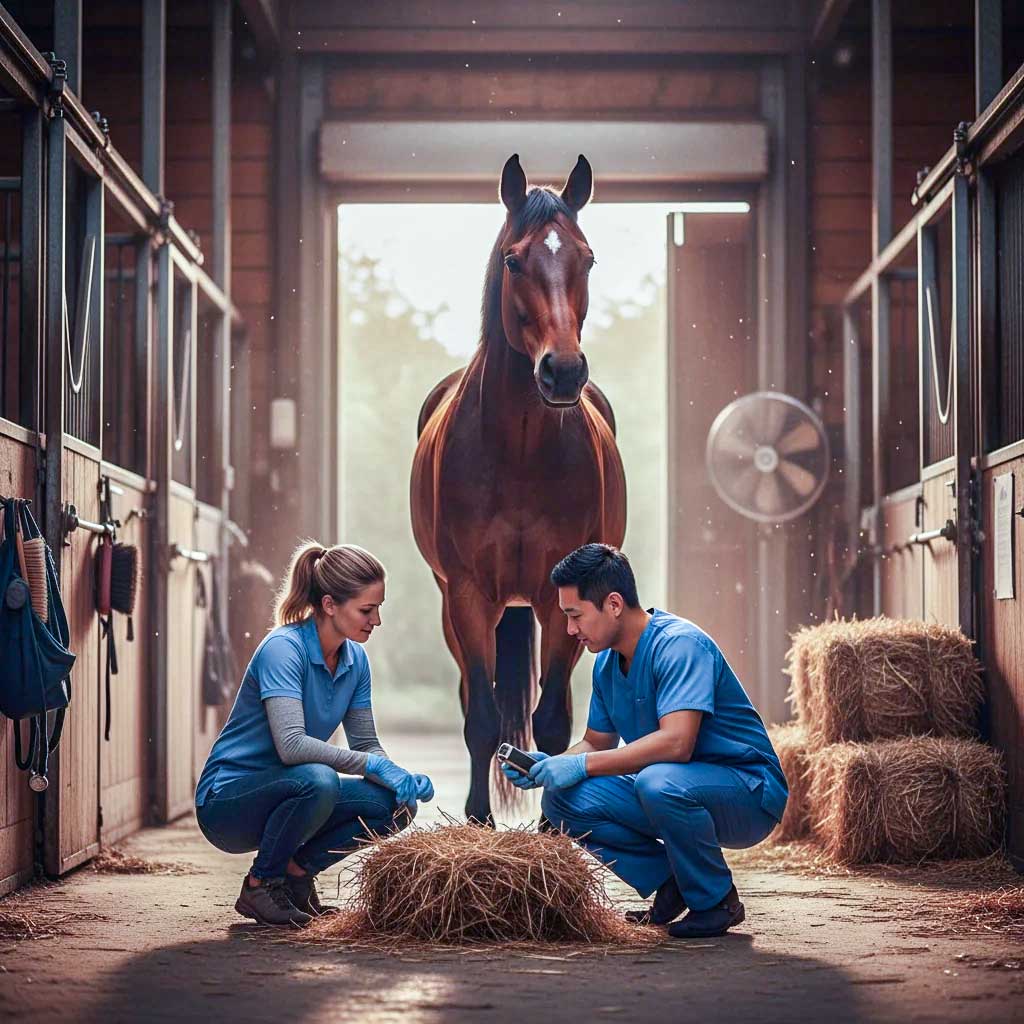
Stable dust is a common villain: invisible, constant, and capable of triggering respiratory reactions. Certain plants or supplements may also awaken that silent rebellion.
Hakan Kaya often describes it as “the dialogue between body and world.” The horse doesn’t fight out of weakness; it’s simply answering the surroundings too intensely.
Caring with Awareness
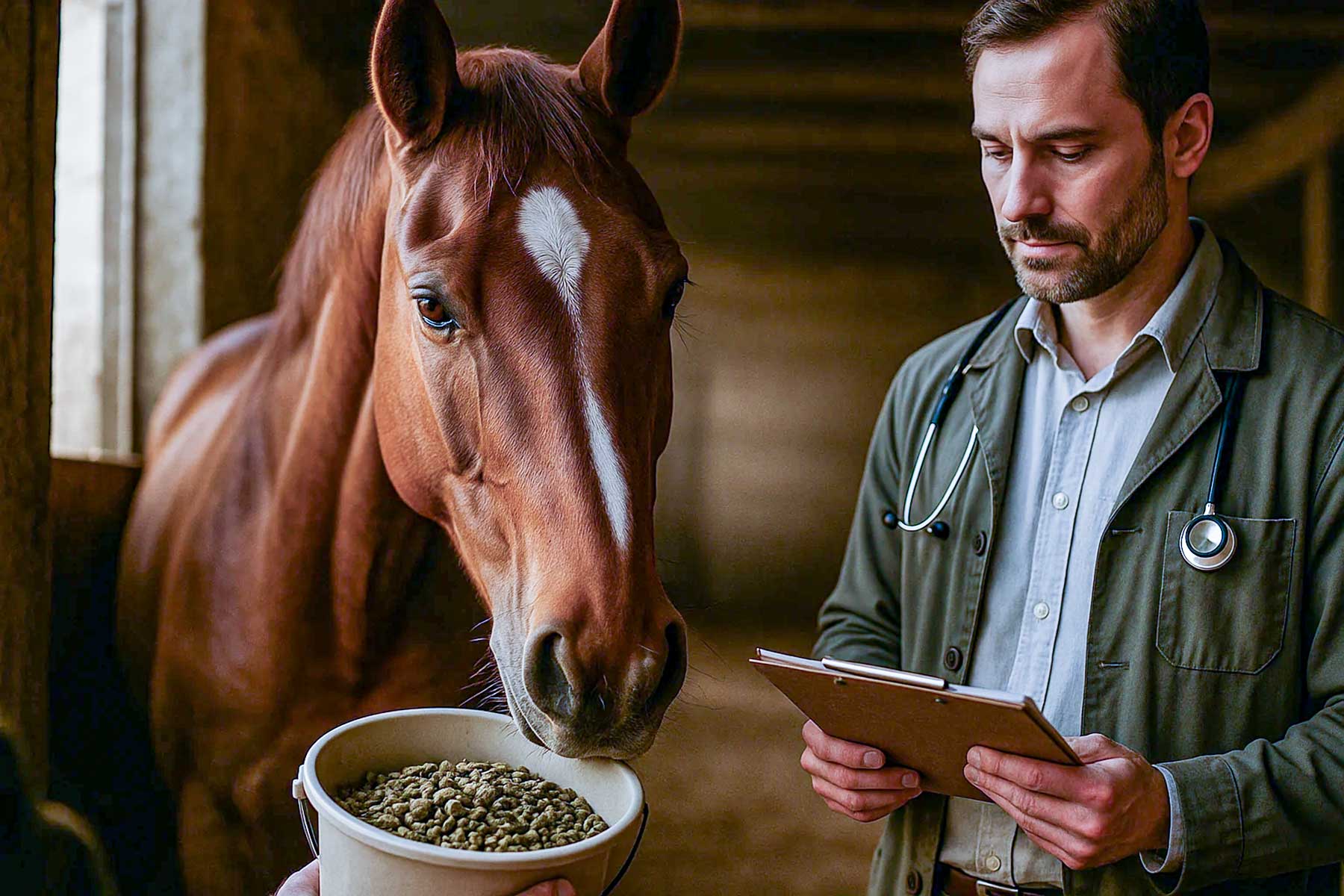
Treatment begins with understanding. Instead of racing for medication, observe and adjust:
- Keep the stable clean and well-ventilated.
- Soak hay lightly or use dust-free alternatives.
- Avoid strong scents, sprays, or harsh grooming chemicals.
- Create predictable routines — horses find peace in consistency.
Sometimes, veterinarians may recommend antihistamines or corticosteroids, but long-term care always returns to prevention, a harmony between space, feed, and emotional calm.
Emotional Impact
Allergies don’t only affect the skin or lungs; they touch the heart. An uncomfortable horse grows frustrated, less willing to connect. Sensitive individuals may lose their playful spark or resist training.
Through calm presence, soft voice, and patience, the caregiver reawakens trust. Care becomes emotional healing as much as physical maintenance.
In the lens of Equine Story, treating an allergy is like restoring balance to a living artwork — one breath, one brush of affection at a time.
Listening to Sensitivity
Every horse has a threshold. What irritates one may never disturb another. Genetics, environment, and emotional wiring merge to create unique patterns of response.
So instead of asking “Why allergic?”, we begin asking “What is the body trying to tell me?”
Observation becomes the most powerful medicine.
Closing Thought
An allergy reminds us that horses feel the world deeply, its dust, its air, its changes. True care means learning to interpret those silent signals and respond with understanding, not frustration.
Written by Hakan Kaya for Equine Story, reminding us that every sneeze carries the gentle voice of sensitivity, asking us to listen.